
Sparkable: Building social media that bridges rather than divides
Sparkable is a volunteer-led nonprofit reimagining social media from the ground up, elevating posts that foster understanding between people who ordinarily disagree.
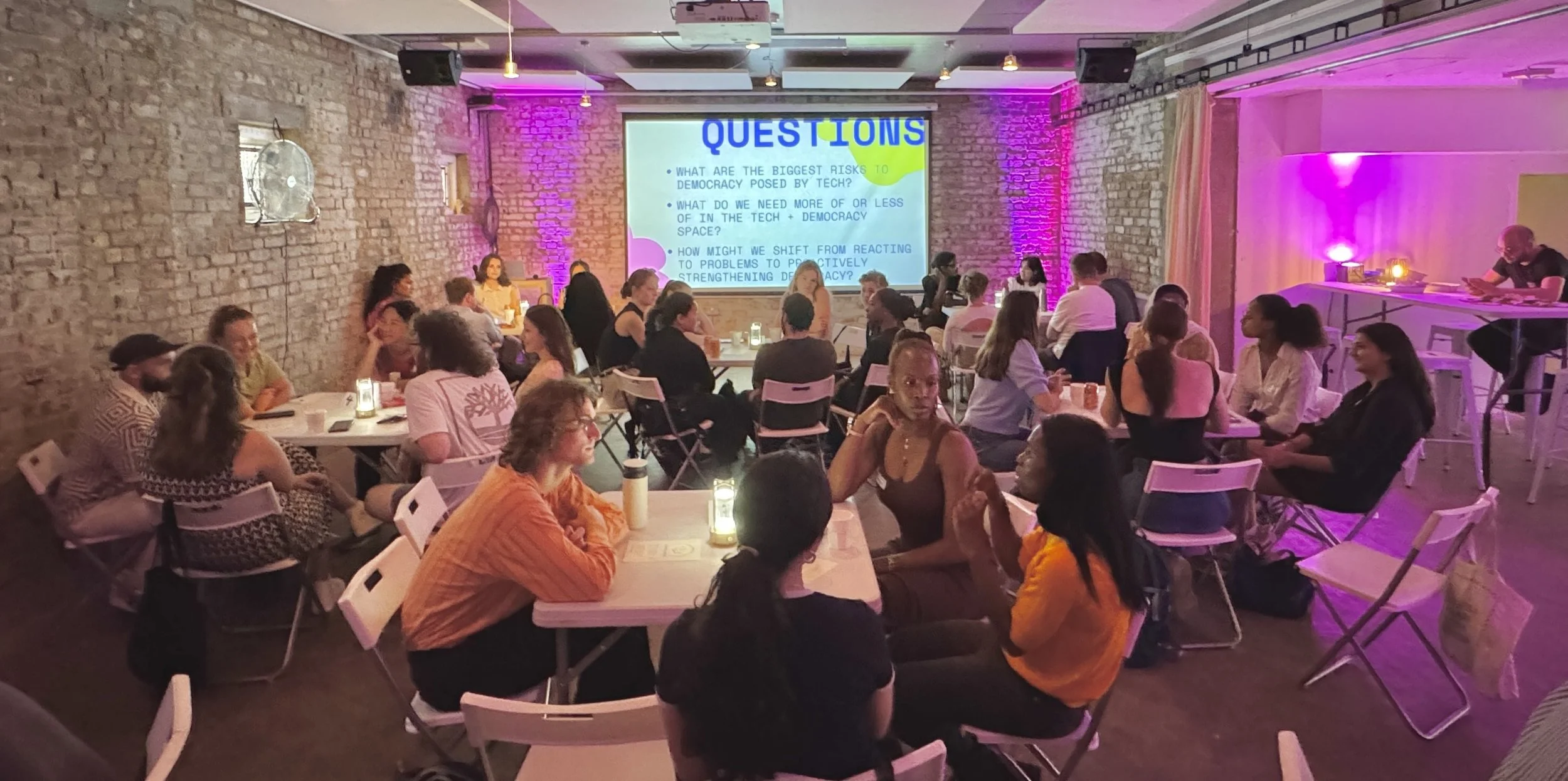
Sparkable hosts in person meetings, like this Tech and Democracy meetup in London, 2025, and invites users and volunteers to design social media that works for them (Photo: Sparkable)
Sparkable’s founding mission is to counter the familiar harms of today’s platforms with a digital environment that strengthens community. The team is experimenting with bridging-based ranking, reflective interaction prompts, transparency tools, and the option for pseudonymous participation — each a deliberate intervention toward healthier digital public spaces.
The problem to solve
Sparkable was created in response to the rising toxicity associated with mainstream social media. Its founders saw how platforms reward those who “shout” rather than listen, and how hyper-personalised feeds erode any sense of shared reality. Team members also witnessed first-hand how algorithmic pressure, data-hungry design, and manipulative growth tactics can exhaust and emotionally dysregulate users. Sparkable set out to build the opposite: a social space that encourages understanding, not outrage.
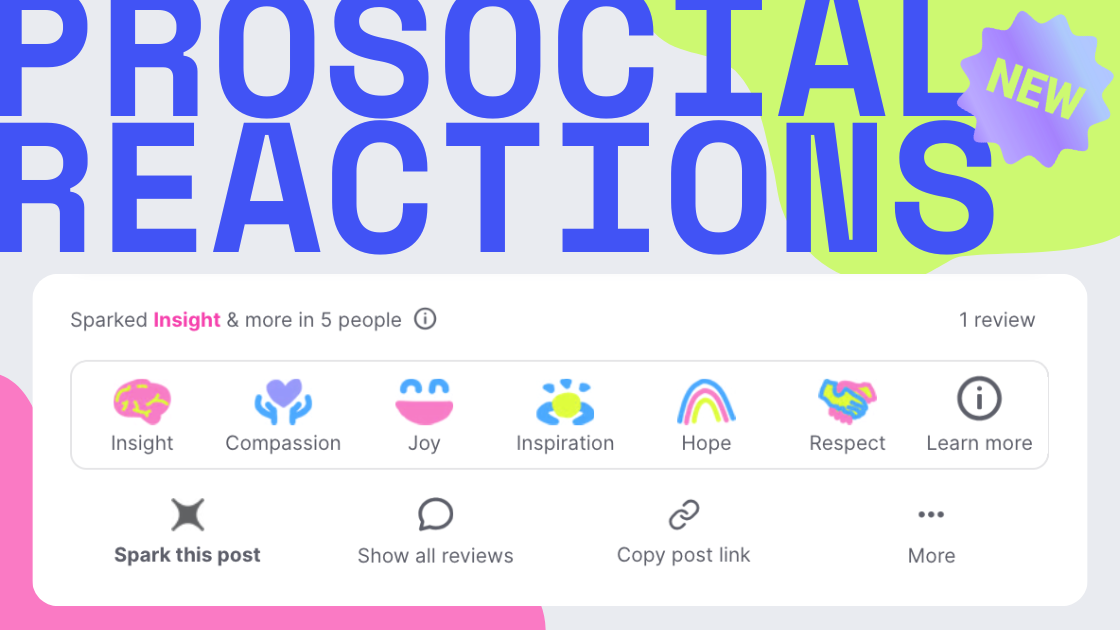
Sparkable encourages pro-social reactions rather than likes (Visual: Sparkable)
What they did
Adopted a nonprofit model: Removed advertising and data extraction to align incentives with user wellbeing.
Ranked content through bridging: Increased post visibility only when it received positive feedback from people who typically disagree, countering engagement-driven polarization.
Encouraged reflective interactions: Replaced likes with “sparks,” where users share what a post evoke (e.g., insight, compassion).
Gave users control of their feed: Allowed people to choose what they saw based on topic or emotional impact, with full transparency on why content appeared.
Mobilised a volunteer-led global team: Coordinated nearly 20 contributors across time zones to develop collaborative operational practices.
Implemented accountable moderation: Combined early automated flagging with plans for transparent explanations and appeals.
Key success factors
A unified mission that aligns the entire team around strengthening understanding between people.
A globally diverse contributor base that brings cultural, linguistic, and disciplinary breadth to platform design.
An ethical operating culture grounded in compassion, autonomy, and clear communication.
An evidence-based design approach informed by social-design research, expert input, and pro-social UX principles.
Transparent, user-first choices that minimise data collection and build trust from the start.
A community-driven growth model that uses in-person connection and word-of-mouth to attract committed users and volunteers.
The ask
“We'd love for more people to come and try it out. We obviously need more designers and developers, but on the community building level, we need people knowing about what we’re doing.”
— Vardon Hamdiu, Sparkable co-founder and executive director
“Donations and resources would definitely increase what we’re able to do. The first thing I would do is put everyone on a payroll. The second thing is set up proper tools that allows us to work better.”
— Tomiwa Odebode, Sparkable operations manager
Recommendations for strong digital communities
Create the right incentives
Nonprofit or community ownership structures trump advertising
Design for positivity
Use features that encourage perspective and connection
Ensure transparency
Apply visible, consistent logic instead of opaque algorithms
Build for diversity
A global team of mixed backgrounds shapes more inclusive tools
Prioritise accountability
Offer clear explanations and appeal procedures
Support the team
Internal communication supports compassionate operations